
Who is not in the room? The AI Threats, Trade-offs and Transformation
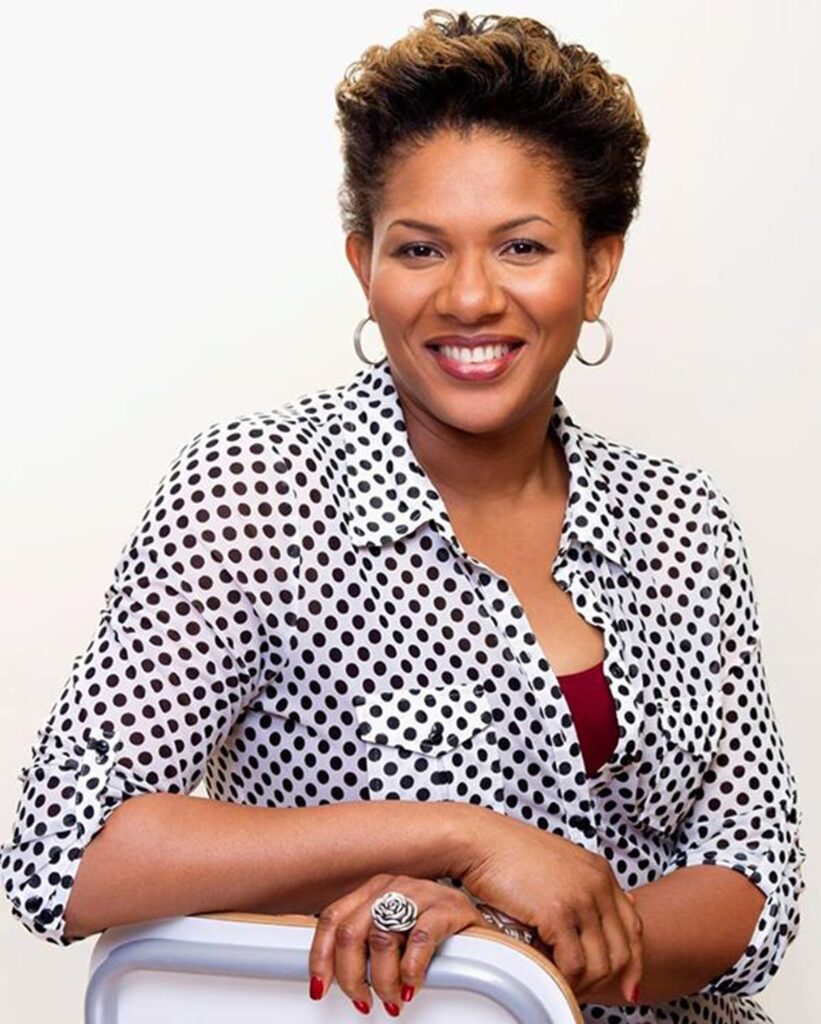
Juliet Kego
Juliet ‘Kego is a financial services consultant and transformational leader, poet, and co-founder of Whole Woman Network and Black Women Professional Cooperative. An emerging leader in Canada’s Cooperative and Solidarity Economic sector, Juliet’s pioneering work spans empowering immigrant women and youth, building thriving cooperatives, and driving culturally relevant financial literacy and social innovation across continents. As a strategist behind initiatives such as FLY (Financial Literacy for Youth) and FLOW (Financial Literacy & Opportunities for Women), Juliet inspires communities to lead with vision, solidarity, and impact. A passionate champion for equity and inclusion across intersectionalities, ethical leadership, and economic justice and empowerment, Juliet sits on several boards and has built networks that amplify diverse voices and unlock the potential of women and youth worldwide.
Presentation
Who is not in the room? The AI Threats, Trade-offs and Transformation
As artificial intelligence becomes increasingly embedded in every aspect of society, it mirrors both the potential and the prejudice of the data that fuels it. This presentation explores the critical question: who is being left out of the AI revolution? In a rapidly evolving socio-economic and political landscape, ethical, inclusive and human-centred AI design has become not only a moral imperative, but a strategic one. The discussion delves into how AI platforms can proactively ensure that historically underserved and equity-denied communities are represented and not further marginalized through biased data, algorithmic manipulation, or inequitable funding structures. It also examines how we can embed agency, privacy protection, data sovereignty, and fairness into AI development to avoid creating a digital environment that amplifies systemic disparities. By challenging assumptions of what counts as “valid” data, the presentation broadens the understanding of knowledge itself, and recognizes embodied experiences and implicit, informal wisdom from women, children, the elderly, people with disabilities, and racialized communities, including Black and Indigenous peoples. The audience will be invited to reflect on how inclusivity and justice can transform AI from a tool of exclusion into a catalyst for collective progress and ethical innovation.